
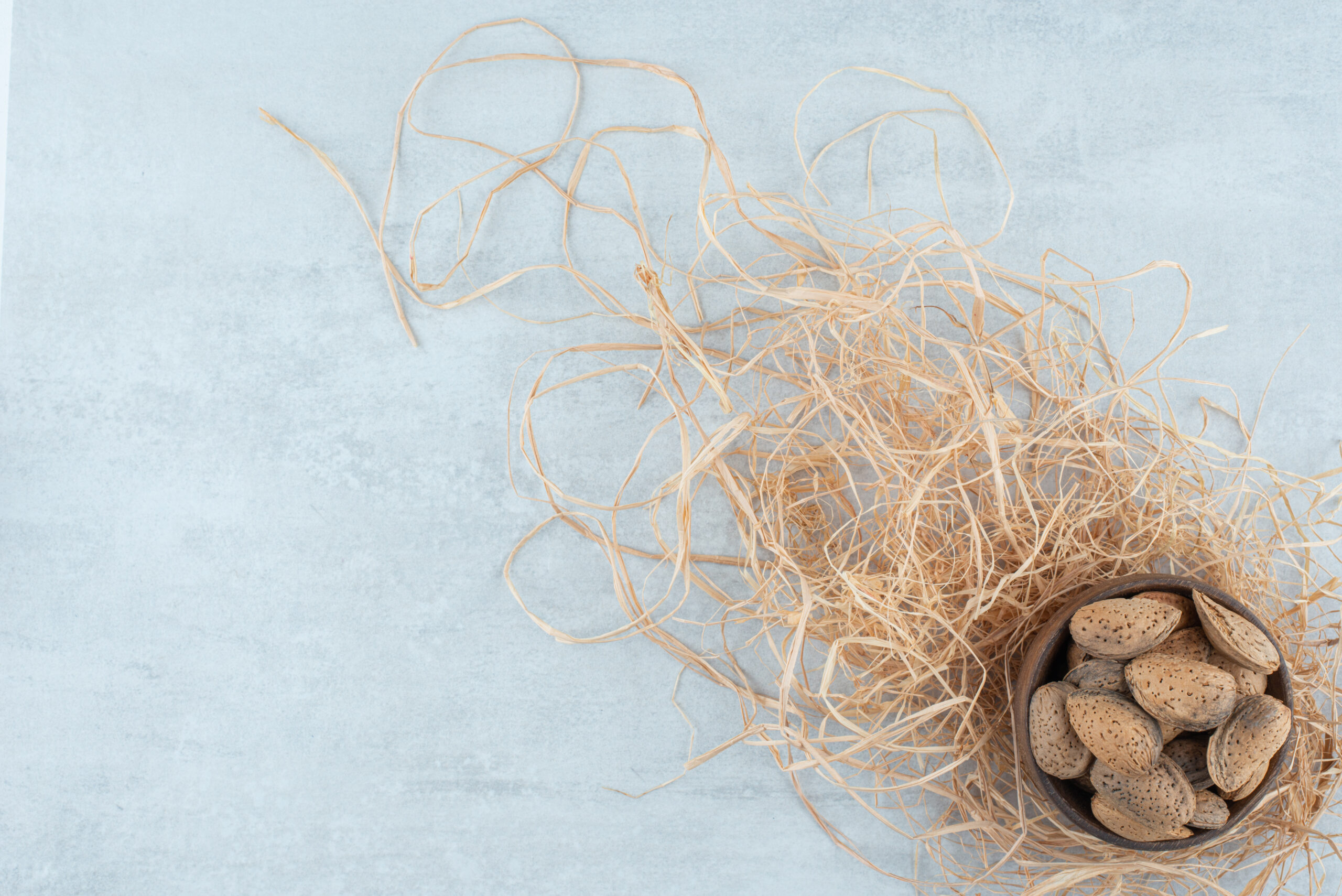
Not all wood wool is the same. The quality of wood wool can vary depending on several factors, including the type of wood, the length of the fibres and the texture. Here is a guide to help you choose a high quality wood wool to suit your specific needs.
Factors to consider when choosing wood wool
- Type of woodA: Different types of wood produce different qualities of wood wool. Common wood species include pine, spruce and aspen, each with unique properties.
- Fibre lengthA: Fibre length can affect the performance of wood wool. Longer fibres provide better cushioning and are more suitable for packing fragile items.
- TextureA: The texture of wood wool can vary from fine to coarse. Fine wood wool is ideal for delicate applications, while coarse wood wool is better for heavy-duty applications.
- Moisture contentA: High-quality wood wool should have a low moisture content to prevent the growth of mould and fungi. Make sure that the wood wool is properly dried before use.
How to identify high quality wood wool
- Check uniformityA: High-quality wood wool should have a consistent fibre length and texture to ensure consistent performance.
- ScentA: Quality wood wool should have a natural woody smell without chemicals or musty odours, indicating that it is free from contaminants.
- Feeling: Stroke the wood wool with your hands. It should be clean and springy, without excessive dust or residue.
- Source:: Check the source of the wood wool. Look for suppliers that use sustainably managed forests and environmentally friendly production methods.
Applications and suitable types of wood wool
- Packaging: For packaging, choose wood wool with longer fibres and a medium to coarse texture to ensure adequate padding.
- CraftsA: For craft projects, fine wood wool is preferred for its soft texture and ease of manipulation.
- Horticulture: In horticulture, use coarse wood wool for screening and moisture retention, and fine wood wool for sowing seeds and composting.
Tips for using wood wool
- Storage: Store wood wool in a cool, dry place to prevent moisture absorption and mould growth.
- Handling: Use gloves when handling wood wool to avoid splinters and irritation.
- Maintenance: Regularly check wood wool used in horticulture for signs of mould or pests and replace it if necessary to maintain plant health.
Taking these factors and tips into account will help you choose the best wood wool for your needs. Whether you use it for packaging, crafts or gardening, high-quality wood wool will improve the efficiency and sustainability of your projects.


 English
  Slovenian